
With the state of the economy and the rate of inflation, one coping strategy is to ‘live within your means‘ to survive.
But truthfully, living within your means only makes things worse. It can trap you in one spot, and in some cases, even push you into debt. So the solution is expanding, instead of living within your means.
Building another stream of income sounds intimidating, time-consuming, and may require new skills that you don’t have. It feels like you’re signing up for extra work and swallowing your pride to start again.
But let’s slow it down and look at it differently, like we’re building a house.
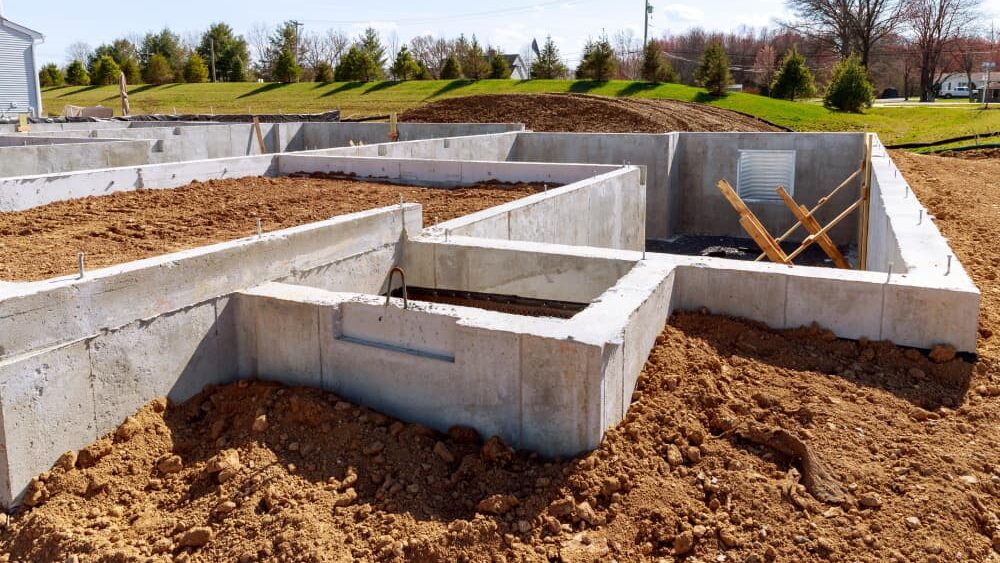
1. The Foundation: Your First Stream of Income
Your main income gives you security. It’s your safety net. It keeps the lights on, the rent paid, and food on the table. But it’s just the foundation.
A foundation can keep your house from sinking when the rain comes, but without a roof, it won’t protect you from the scorching sun.
Many people cling to their jobs like a lifeboat, especially when there’s a pension attached. The belief is that a pensionable job guarantees security after retirement. Unfortunately, it doesn’t.
They work endlessly, yet the money that comes in can’t support their next level. So, they stay at the base, unable to build upward.
That is survival, and survival is not wealth.
So, we have to keep building.
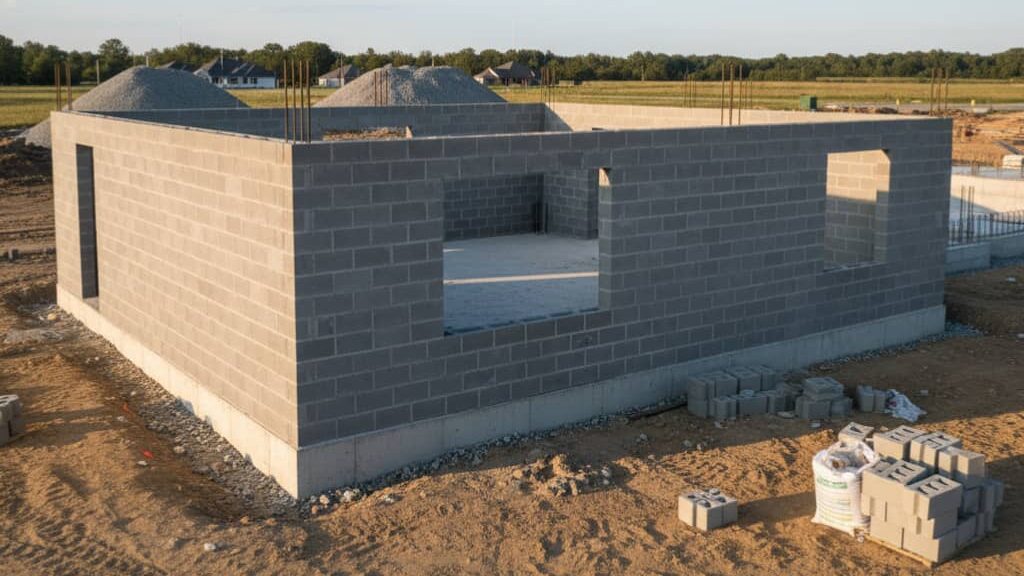
2. The Walls: Preparing for New Streams of Income
Preparation takes patience, study, and strategy. The goal here is to sharpen your mind before multiplying your money. Learn by reading books (start with ‘The Richest Man in Babylon’), take short courses on finance (like the one Khan Academy offers), subscribe to newsletters, be active in communities like FINTEL Warriors, learn, ask questions, build your skills, and practice.
When you understand what to do, you start making intentional moves.
One important thing to understand in this stage is the difference between active and passive income and how to earn from both.
Passive income is money that flows in whether you’re awake or asleep. You plant the seed once, tend it a little, and it keeps bearing fruit. Examples are:
- Investments
- Real estate
- Digital products
- Royalties
- Automated businesses
- Peer-to-peer lending.
These are ways to earn residual income that work even when you’re not working.
Active income is what you earn when you exchange time and effort for money.
- Salaries
- Freelancing
- Consulting
- Service-based businesses
The goal is to gradually shift from active income to passive income, brick-by-brick.
As you understand this, begin to build your emergency fund. Aim for at least 4–6 months of expenses. Because one morning, if you work in a 9-5, the board might decide to lay off staff, like the 14,000 people Amazon let go. Or, let’s be positive, you need to go on an important business trip that can lead to your promotion.
Either way, you’ll need that cushion.
What to do:
- Dedicate a small portion of your income each month to learning and personal development.
- Study how money works, especially the difference between active and passive income.
- Build at least one active income stream using your skills, then start exploring passive options like investments, digital products, or real estate.
- As your income grows, create an emergency fund that covers 4–6 months of living expenses.
- Reinvest profits instead of spending them.
- Review your finances regularly to see when it’s time to shift more focus from active income to passive income.
3. The Roof: Building a Second Stream
This is the stage where you turn your skills and value into something that pays you directly (active income). You do not wait for luck, rather, you put yourself out there deliberately.
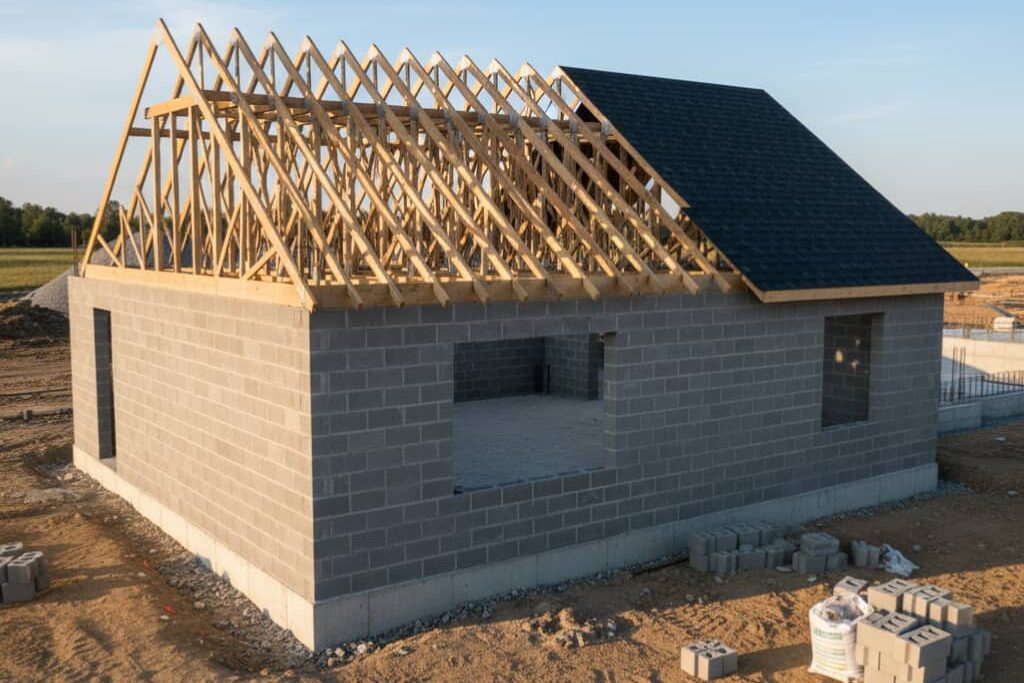
The goal here isn’t to escape your 9–5 just yet (if you are in one), but to use it wisely. Every paycheck should become a tool to strengthen your safety net and fund your next move. You are building for long-term freedom, not just short victories.
What to do:
- Use your existing skills to create an active income stream that can start earning within a month or two.
- If you are a 9–5 salary earner, regularly review your pay and use it to grow your emergency fund and savings faster.
- Once your emergency fund is solid, start investing in passive income sources.
- Be patient with your returns and reinvest them.
4. The Finishing: Expansion and Growth
Now, it’s time to expand your reach and build real wealth. This is about turning consistency into abundance. You’ve made mistakes, learned, and grown.

In this stage, you focus on what’s working and scale it. Reinvest the profits from your business or investments. You’re no longer chasing security. Now, you’re building for sustainability and freedom.
What to do:
- Start using compound interest to grow your wealth over time.
- Diversify your income sources.
- Strengthen your retirement plan and make consistent contributions.
- Create a clear structure around your income, savings, and investments
5. The Furnishing: Automation and Stability
You’ve made it to the dream stage. This is where money becomes your servant, not your master. You’ve built a strong financial foundation, and now you get to design life exactly how you want it.

Your assets are working round the clock, your income flows whether you show up or not, and you finally have the freedom to live on your own terms.
At this stage, your passive income is more than your living expenses.
Said another way, but as a math formula:
Passive Income ≥ Living Expenses
What to do:
- Review your lifestyle plan often to ensure your spending aligns with your values.
- Build systems that support your priorities and the things you love (family, faith, travel, giving, or legacy projects).
- Automate payments, savings, and investments so money moves without your daily input.
- Delegate management of your businesses or assets to trusted hands.
The Only Exception: The ‘Unless’ Caveat.
One Stream of income won’t make you wealthy, unless it can build the above for you.
So build wisely.
See you at the top.
Pingback: Active and Passive Income Explained Simply FintelCoach