
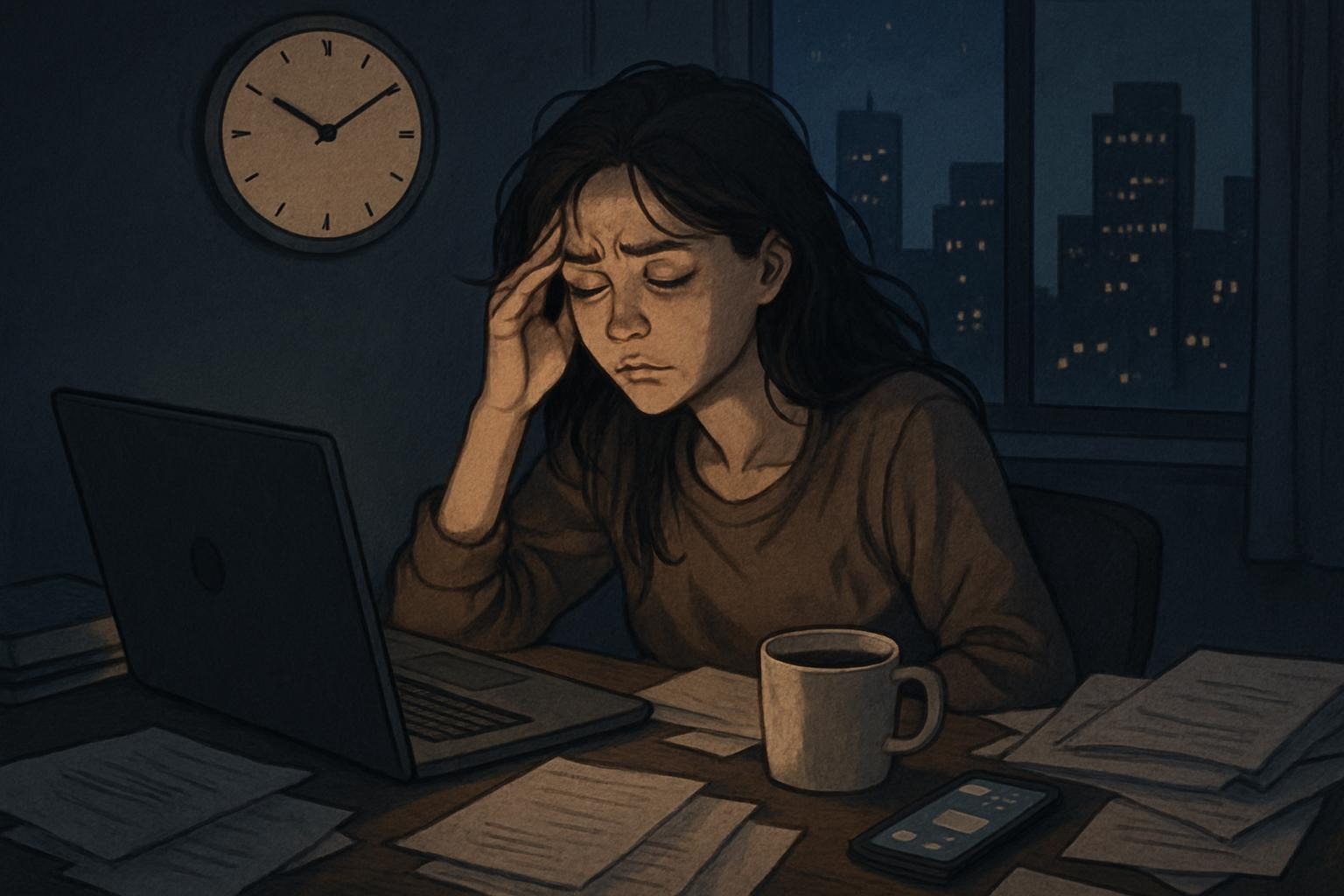
Having multiple streams of income sounds exciting, however, without the right balance, it can easily slide into burnout. That is exactly what happened to Adaeze, a focused, driven project manager who decided to build her personal brand from scratch.
At the time, she was working a demanding 9–5 in Lagos. Her day started at 4 a.m. and often ended around 9 p.m. By the time she got home, she had only a few hours left to split between working on her new brand and trying to get some sleep.
After about two months of this routine, the signs started creeping in. Frequent headaches. Irritation at work. Dozing off at her desk. Her performance dipped, she couldn’t meet her KPIs, and her relationship with colleagues became strained. Eventually, HR issued a query, and she had no choice but to redirect the hours she had been using to build her brand back into the tasks she had fallen behind on.
Adaeze had been pouring into everything except herself and she paid the price dearly.
So it brings us to the real conversation we need to have: Managing Burnout.
We will be discussing:
What is Burnout?
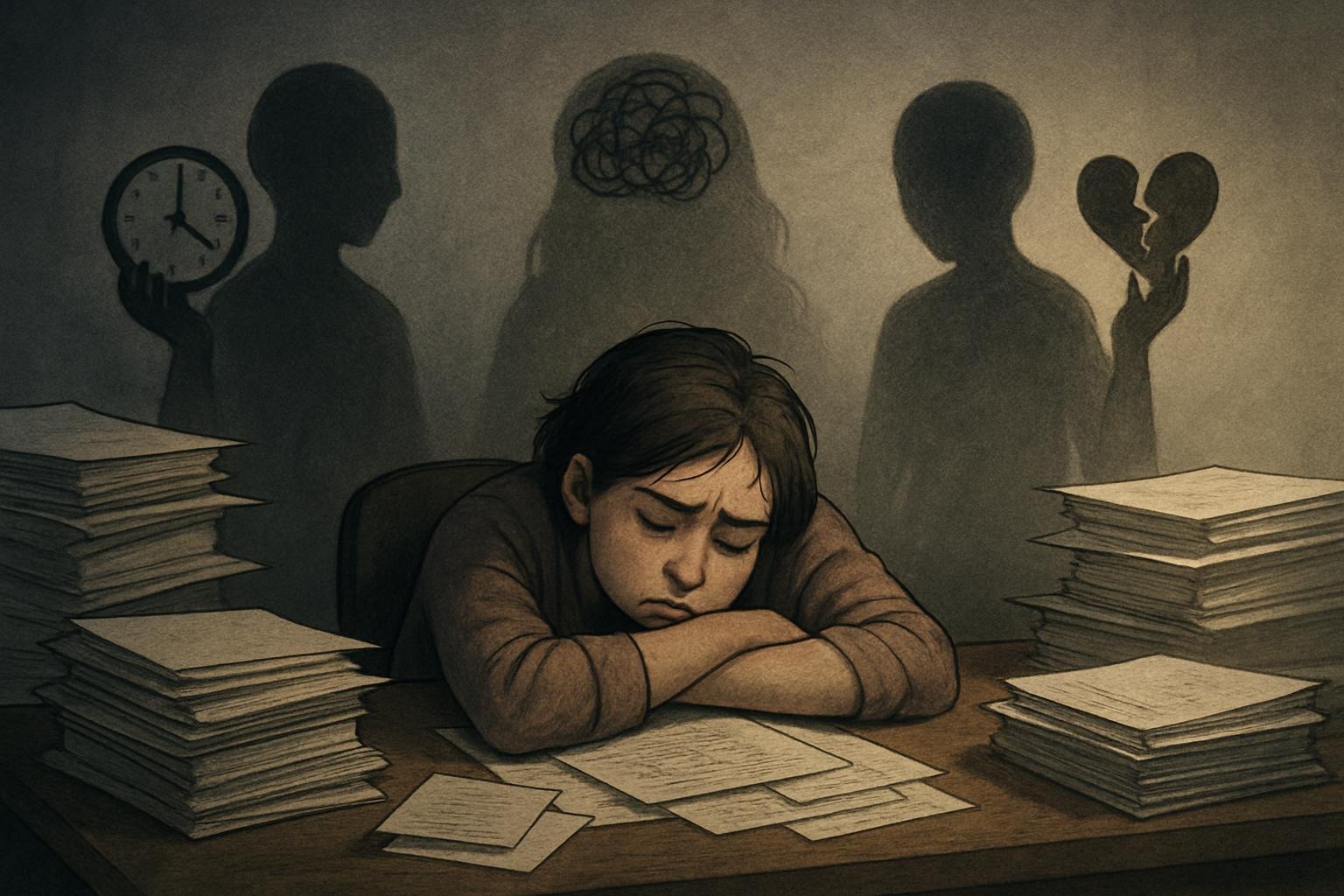
Burnout is basically what happens when your mind and body hit their limit after being stressed for too long. It’s a deep exhaustion that drains you mentally, physically, and even emotionally. And while we often think of burnout as just “feeling overwhelmed,” it actually affects how well you work, how you relate to people, and even how your body feels.
It’s also not the same as simply being overworked or needing sleep. If it’s ignored for too long, it can snowball into anxiety, depression, or even a complete loss of motivation for things you once enjoyed.
Causes of Burnout
Burnout is usually as a result of ignored patterns and habits that slowly build up over time. Here are some of the most common causes:
- Long hours and constant work
When your job demands endless hours with barely any space to breathe, your body eventually tunes out. Working nonstop without taking breaks is one of the fastest ways to slide into burnout. - Chronic stress
When those tight deadlines, unrealistic expectations, and high-pressure environment become part of your everyday life, the stress starts. It begins to show physical signs like headaches, over time, it drains your emotional energy and leaves you constantly feeling on edge. - Toxic workplace environments
A negative work culture can wear you down more than the work itself. Lack of support, confusing job roles, or feeling unappreciated can make you mentally and physically exhausted. - High-demand jobs
Some industries naturally carry more emotional weight, like the healthcare field, caregiving, emergency services, and similar fields often require intense focus and emotional resilience. People in these roles are especially prone to burnout because the stakes are always high. - Personality traits
Sometimes, burnout is tied to who we are. Perfectionists, overachievers, or people who struggle to set boundaries often push themselves harder than they should. That constant drive can become overwhelming. - External stressors
Big life events or family crises can also add to the pressure. For example, in the case of a family emergency, you might find yourself juggling hospital visits, caretaking responsibilities, or unexpected financial demands, all in addition to your regular workload.
The Stages of Burnout
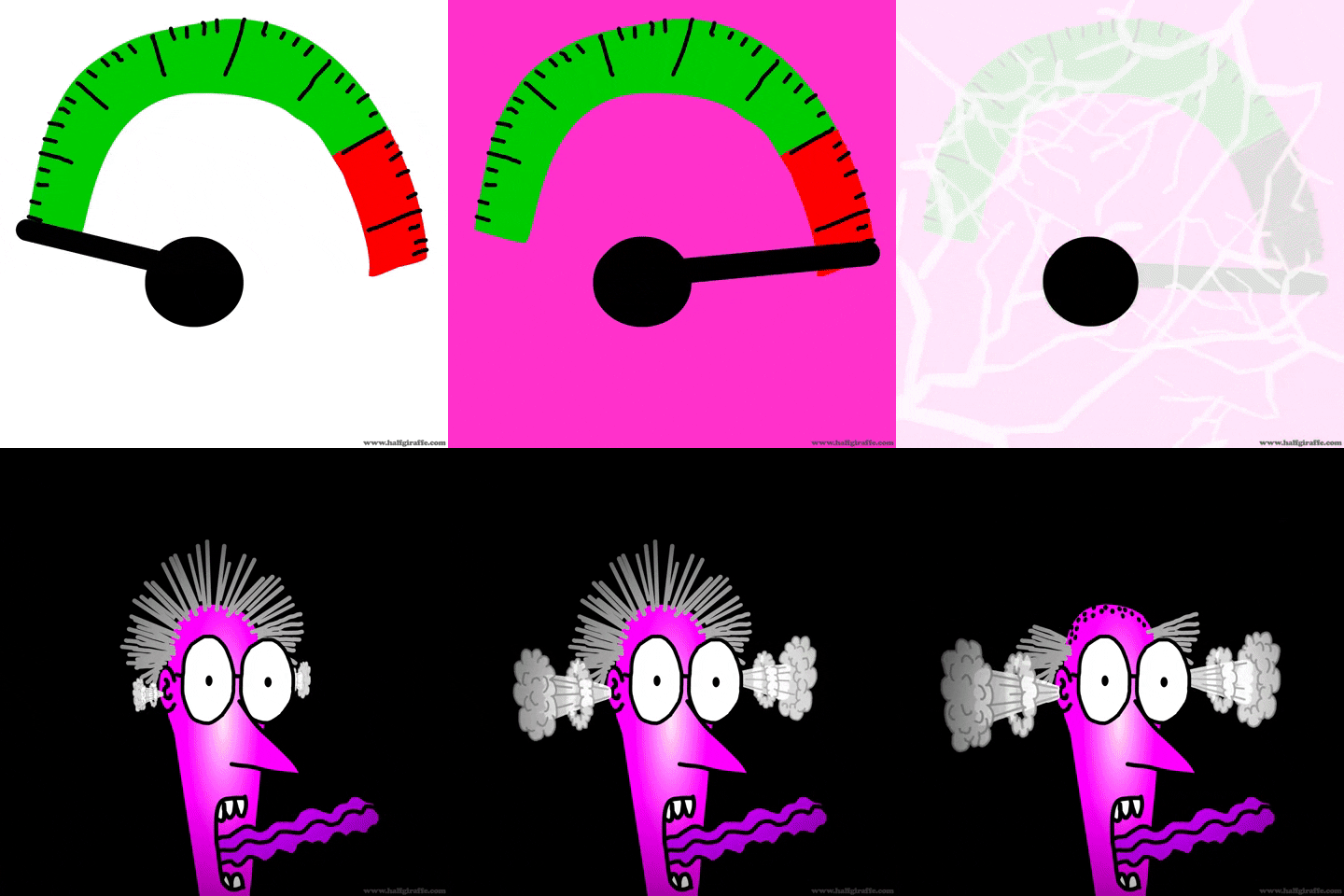
Burnout rarely hits at once. It usually builds slowly, moving through subtle stages when you’re caught up in the busyness of life. Here’s what a typical journey looks like:
1. The Honeymoon Phase
Every burnout story often starts with excitement. The one that comes with a new job, taking on a big project, or starting a new brand like Adaeze. You feel on top of the world, motivated, and ready to prove yourself. You start staying late, saying yes to every task, and pushing yourself to impress your employers.
It feels productive because you’re ticking off tasks. But this phase is also where burnout quietly begins.
Subtle warning signs in this stage:
- Overcommitting
- Skipping breaks or meals
- Ignoring fatigue
- Letting work bleed into your personal life
2. The Onset of Stress
Once the initial excitement fades, reality starts to sink in. The workload feels heavier. You’re still performing, but the cracks are showing. Maybe you’re waking up tired, feeling irritated more often, or struggling to focus on tasks that used to be easy.
Your body starts slipping into a mild fight-or-flight mode, and even though you think you’re “handling it,” this is the best time to pause and check in with yourself.
Common signs you’re entering this stage:
- Watching the clock more often
- Less patience with coworkers or clients
- Working through breaks to catch up
- Mild physical symptoms like tension headaches or jaw clenching
- Lack of focus
3. Chronic Stress
At this point, stress isn’t something you feel occasionally, it becomes your normal. Your energy stays low, and you don’t bounce back as quickly as you used to. Tasks that used to take minutes now feel overwhelming. You may start withdrawing from people and responsibilities to cope.
What this stage often looks like:
- Persistent fatigue, even after sleep
- Getting sick more often
- Forgetfulness
- Emotional exhaustion
- Pulling away from social interactions
4. Burnout
This is the stage where everything feels heavy. Your motivation is gone, and even tasks you used to enjoy feel like a burden. Calling in sick, missing deadlines, and feeling emotionally numb may become routine.
Typical signs:
- Feeling disconnected from your emotions or your work
- Feeling like nothing you do matters
- Increased mistakes at work
- Strained relationships
- Negative coping habits like emotional eating or increased drinking
5. Habitual Burnout
If burnout becomes your everyday reality, it can turn into habitual burnout, a chronic state where your body and mind feel stuck in survival mode. This stage often brings long-term consequences like anxiety, depression, and declining health. Life may start feeling joyless or out of your control.

Common signs:
- Feeling disconnected from your goals and identity
- Difficulty being present with loved ones
- Irritability with coworkers
- Ongoing muscle tension, pain, or insomnia
- Pulling away from personal and professional support networks
How to Prevent Burnout
Always Check in with Your Mental Health
Take a moment every day to ask yourself how you’re really doing. Journaling, talking to a friend, or just sitting quietly and noticing your thoughts can help you catch warning signs early.
Exercise Regularly
Even small movements help. Walk, stretch, dance in your room, or do anything that gets your body moving. Exercise isn’t just about looking physically good, it’s about giving your brain a reset, boosting your mood, and keeping your energy from running flat.
Develop a Work-Life Balance
Work is important, but life isn’t all deadlines and replying to emails. Practice the 42% rule, which suggests that you should spend at least 42% of your time (about 10 hours a day) taking breaks and relaxing, doing your activities, and avoiding work. You should make time for sleep, hobbies, movement, and spending moments with the people you care about.
Regular Self-Care
Self-care isn’t selfish. Take care of your body, your soul and spirit. Shower when you’re feeling down, eat something nourishing, read, journal, or just do nothing for a while. Small consistent habits keep you grounded and prevent the slow creep of burnout.
What To Do When You Are Burned Out
Ask for / Take a Break – I know it feels like the world won’t wait, but it will. Take some days off work and do something that helps you recharge.
Automate and Delegate – You don’t have to do everything yourself. Let others handle tasks when possible, or use tools to make life easier. Protect your energy at all costs with the available resources.
Adjust Your Workload – Be realistic with what you can handle. Hire an assistant if you need help. Spread tasks, work on them by priority, and don’t overpack your schedule to impress anyone.
Communicate – Let people know how you’re feeling. Talk to your manager, colleagues, or family. Ask for support, set boundaries, and be honest about what you need.