
Is investing risky? This is one of the first questions that comes to mind when you start considering putting your money into an investment.
What if I lose my money? What if the market crashes? How much should I invest? What if I do not understand what I am investing in? Is it safer to simply leave my money in the bank?
These are valid questions, especially when your money is involved. Investing can create opportunities to grow your wealth, but it also exposes your money to different forms of risk. The reality is that every investment carries some degree of risk, and investments with the potential for higher returns generally come with greater risk.
However, this does not mean you should avoid investing altogether. It means you need to understand what you are getting into, recognise the risks involved and make decisions that align with your financial goals and financial capacity.
The goal is not to eliminate risk. That is impossible. The goal is to understand, manage and intentionally take the risks you can afford.
Before putting your money to work, there are several things you need to consider.
1. Establish Clear Investment Goals
You do not jump into a pool simply because everyone else is swimming. The same principle applies to investing. Before you put your money into an investment, you need to understand why you are investing in the first place.
Are you investing towards a specific financial goal? Are you building long-term wealth? Preparing for retirement? Funding a future project? Or simply trying to grow money that you do not currently need?
Your answer matters because an investment should have a purpose. A clear investment goal gives you direction and helps you determine how much you should invest, the type of investment that may be appropriate for you and how long you can afford to leave your money invested.

Without a clear goal, it becomes easier to make decisions based on what everyone else is doing. You may invest because a particular asset is trending, because someone posted about their returns online or because people around you are making money from it. But what works for someone else may not necessarily fit your financial situation.
Investment planning should therefore begin with your goals, how much you can afford to invest and the level of risk you can reasonably take.
2. Understand Your Risk Tolerance
Risk is an unavoidable part of investing, but understanding risk is different from simply being willing to take it.
Your risk tolerance refers to your willingness and ability to withstand losses while pursuing potentially higher returns. People respond differently to financial losses. What one person considers a normal market fluctuation may cause another person to panic and sell immediately.
This is why you need to understand your own financial position before investing. If you are just starting out, you should not put money into an investment that would leave you financially stranded if things do not go according to plan. Start with an amount you can afford to have exposed to investment risk without compromising your essential financial responsibilities.
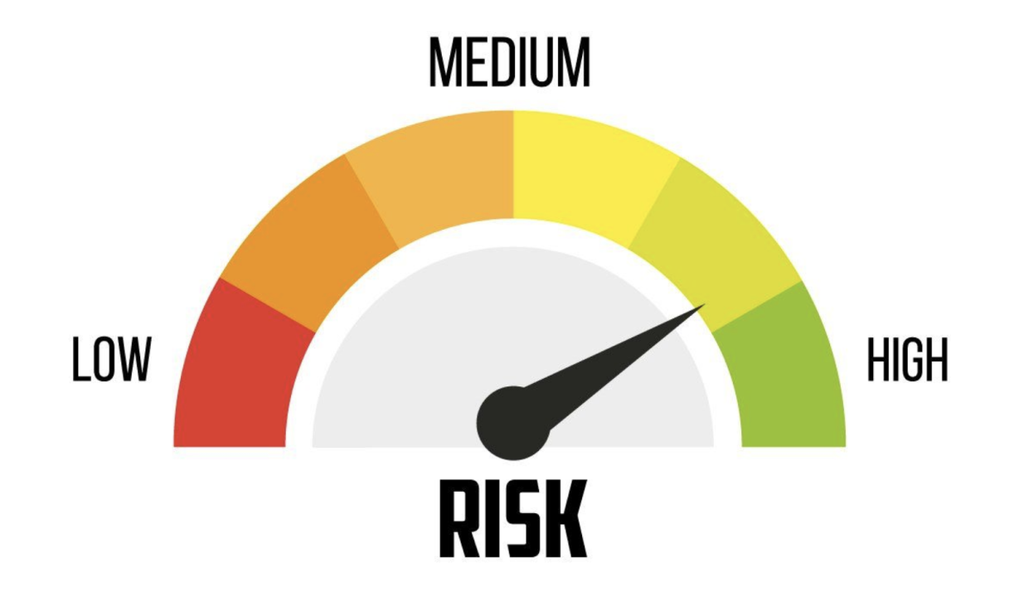
It is also important to understand that risk tolerance is not only about how much loss you can emotionally handle. It is also about how much loss your financial situation can actually absorb.
You may be comfortable with the idea of losing 20% of an investment, but if losing that money means you cannot pay your rent, settle an important bill or meet another financial obligation, then you may not have the financial capacity to take that level of risk.
Know your capacity. Understand your tolerance. Then invest within those limits.
3. Conduct Thorough Research
One of the most important principles of investing is also one of the simplest: do not invest blindly.
Before committing your money, take the time to understand the investment, the market it operates in and how the investment is expected to generate returns. You should also understand the fees involved, the conditions attached to the investment, the major risks and the circumstances under which you could lose money.
Ask yourself important questions before you commit your money. What exactly am I investing in? How does this investment make money? What are the major risks? How long should my money remain invested? How easily can I withdraw my money? Who is managing the investment? Is the investment provider properly registered and regulated?

These questions are not meant to discourage you from investing. They are meant to help you make an informed decision.
If you cannot explain how an investment works in simple terms, you may need to learn more before putting your money into it. The Nigerian Securities and Exchange Commission also advises investors to conduct proper research, understand their risk tolerance and seek professional guidance where necessary.
4. Stay Informed and Be Ready to Adapt
Investing does not end when you transfer your money.
Markets move. Economic conditions change. Regulations change. Companies perform differently. Interest rates change. New information becomes available. All of these can affect an investment, which means you need to remain informed about what is happening around the assets you own.
However, staying informed does not mean reacting emotionally to every headline or market movement. There is a difference between paying attention and constantly panicking.
An investment performing well today does not automatically mean it will continue performing well tomorrow. At the same time, a temporary decline does not automatically mean you should sell immediately. What matters is understanding what has changed, why it has changed and whether that change affects the reason you invested in the first place.
The objective is to know what is happening, understand what it means for you and then decide whether any action is necessary.
5. Learn From Your Mistakes
Mistakes are part of the learning process. You may choose an investment that does not perform as expected. You may enter at the wrong time. You may realise that you did not conduct enough research or discover that your risk tolerance was lower than you initially thought.
Making a mistake does not necessarily mean you should stop investing. What matters is what you do with the experience.
Take time to analyse what happened. What went wrong? What did you misunderstand? What information did you overlook? What should you have checked before investing? Most importantly, what will you do differently the next time?
Investing is a continuous learning process. Every experience should deepen your understanding of how money and financial markets work.
But learning from mistakes also means refusing to repeat them. If an experience exposes a gap in your knowledge, address it. If it reveals poor financial behaviour, change it. The goal is not simply to experience mistakes but to become better at making financial decisions because of them.
6. Understand Asset Allocation and Diversification
Another important consideration is how your money is distributed across different investments.
Putting too much of your money into one investment or one type of asset can expose your entire portfolio to the performance of that single investment. This is where asset allocation and diversification become important.
Diversification means spreading your money across different investments rather than putting everything in one place. The idea is relatively simple: if one investment performs poorly, the impact on your overall portfolio may be reduced by the performance of other investments.
However, diversification does not mean randomly buying different investments simply to have more things in your portfolio. Your asset allocation should reflect your financial goals, investment time horizon and risk tolerance.
The objective is to avoid allowing one investment to determine the fate of your entire financial future.
7. Seek Professional Guidance When Necessary
You do not have to figure everything out alone.
Research can give you a strong foundation, but there may be situations where you need someone with deeper knowledge and experience to help you understand your options. If you do not understand an investment, ask questions. If you need help developing an investment strategy, seek qualified guidance.
At the same time, be careful about who you trust with your money.
In May 2026, the Nigerian Securities and Exchange Commission warned the public about unregistered online investment schemes and platforms promising unrealistic or guaranteed returns. The Commission advised investors to verify the registration status of investment providers before committing their money.
Professional guidance should help you understand your decisions, not pressure you into making them.
This is one of the reasons FINTEL Coach exists.
Through FINTEL Coach, you can get personalised guidance over a defined period to help you understand your finances, ask better questions and build the confidence to make more informed financial decisions.
[Book a FINTEL Coach session →]
So, Is Investing Risky?
Yes, investing is risky. But there is another part of the conversation that is often overlooked: avoiding investment does not mean you have eliminated financial risk.
Your money can lose purchasing power over time. Inflation can reduce what your money can buy. An investment can lose value. A business can fail. Different financial decisions expose you to different forms of risk.
This is why the conversation should not simply be about whether investing is risky. A better question is: What risks am I taking, and do I understand them well enough to manage them?
Wealth creation is not about blindly chasing high returns, just as it is not about avoiding every possible risk. It is about understanding your options, making informed decisions, managing the risks you take and remaining committed to your long-term financial goals.
You do not need to be fearless with money. You need to be informed. Because the goal is not to shy away from risk, but to choose your risks intentionally.